Size
In context


About Battle for Dream Island
Battle for Dream Island is an animated web series created by Michael Huang and Cary Huang, first posted to YouTube in January 2010. Built around anthropomorphic objects competing in elimination challenges, it became one of the defining works of the object-show genre and has run for multiple seasons with a devoted community producing its own spin-offs.
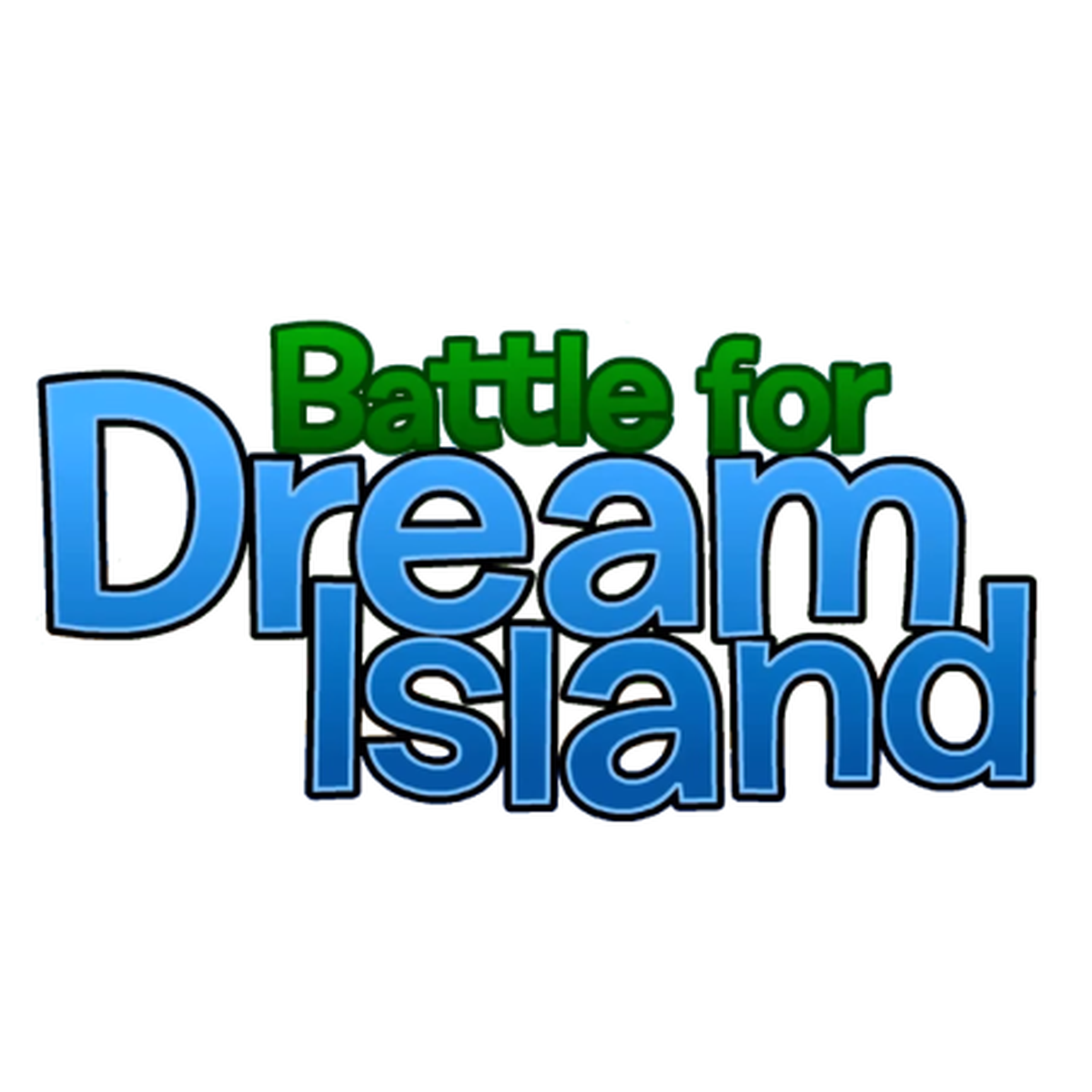
The show's title card leans on a light, quirky retro display face that fits its whole sensibility — hand-made rather than corporate, closer to a mid-century lounge poster than to a broadcast cartoon. Against the flat geometric shapes of the contestants, the near-monoline lettering with its flat overhanging A and splayed M reads as friendly and slightly offbeat, which is exactly the register the series works in.
What font does Battle for Dream Island use?
Battle for Dream Island uses Battle for Dream Island's logo uses Shag Lounge, a retro display face from House Industries, drawing on mid-century American lounge and tiki lettering.
On this page, Lipi offers a generated lookalike of the font used in Battle for Dream Island — ready to download instantly with a commercial license, no third-party purchase required.
Where this style works
Retro display sans faces like this suit anything wanting warmth and a bit of wit: animation and web-series titles, indie podcast and channel branding, cocktail and hospitality menus, event and festival posters, boutique packaging, and editorial headers that need personality without shouting. Its light monoline weight sets it apart from the heavy display faces that dominate children's media, which is part of why the show's title reads as distinct.
What you get
Instant download as OTF, TTF and WOFF, with a commercial-use license for $7.99.
Full diacritic coverage for 81 Latin-script languages
English, Spanish, Indonesian, Portuguese, Swahili, German, Turkish, Filipino, Italian, Polish, Oromo, Uzbek (Latin), Zulu, Dutch, Somali, Malagasy, Afrikaans, Shona, Hungarian, Rundi, Kinyarwanda, Czech, Swedish, Serbian, Quechua, Albanian, Croatian, Luyia, Luo, Danish, Finnish, Slovak, Ganda, Sango, Norwegian Bokmål, Kalenjin, North Ndebele, Swiss German, Bemba, Nyankole, Soga, Teso, Lithuanian, Gusii, Galician, Sena, Slovenian, Chiga, Irish, Makonde, Morisyen, Estonian, Kabuverdianu, Basque, Norwegian Nynorsk, Friulian, Shambala, Bena, Asu, Luxembourgish, Icelandic, Jola-Fonyi, Taita, Samburu, Machame, Colognian, Breton, Vunjo, Makhuwa-Meetto, Rwa, Rombo, Sangu, Faroese, Romansh, Scottish Gaelic, Upper Sorbian, Lower Sorbian, Manx, Inari Sami, Volapük, Cornish.
Not affiliated with or endorsed by the rights holders of Battle for Dream Island. The font on this page is an original Lipi-generated lookalike of the font used in Battle for Dream Island, not a redistribution of the original commercial typeface.
Frequently asked questions
Is the Battle for Dream Island font free?
No — the face used in the logo is a commercial release from House Industries and must be licensed from them. This page offers our own generated lookalike of that style as a separate, independently licensed file.
What fonts are similar?
Mid-century retro display faces in the same family of ideas include Streamster, Bourbon, and the lighter cuts of Brandon Grotesque, all sharing the geometric monoline construction with period detailing.
Can I use this font commercially?
Yes. Commercial use of the font file is covered — video, print, merchandise and digital products. It grants no rights to Battle for Dream Island's name, characters or artwork.
Battle for Dream Island Font: Cinder Beam
Lipi-generated lookalike of the font used in Battle for Dream Island. 81 languages with full diacritic coverage, one commercial license.
What you get
- ✓ OTF, TTF & WOFF files
- ✓ Commercial use license
- ✓ Personalised license PDF
- ✗ Resale or redistribution
Not affiliated with or endorsed by any brand referenced. Names are used descriptively to identify lettering style.
More movies-tv fonts
Other famous movies-tv fonts on Lipi.ai.